At an international forum in Brussels, the National Network for Children called for guaranteed investment in children, support for organisations working directly with children and families, and independent monitoring of the implementation of the European Child Guarantee.
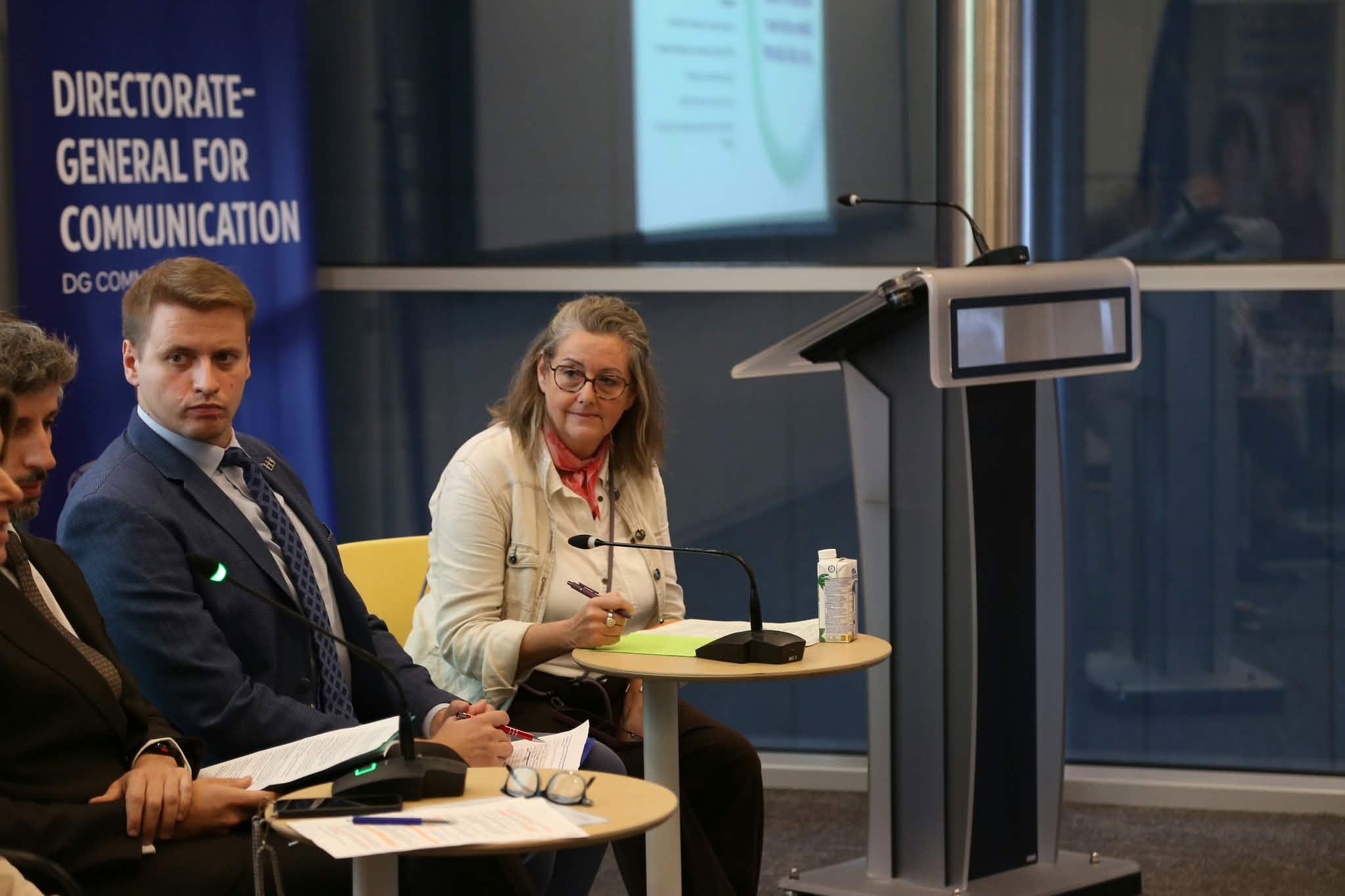
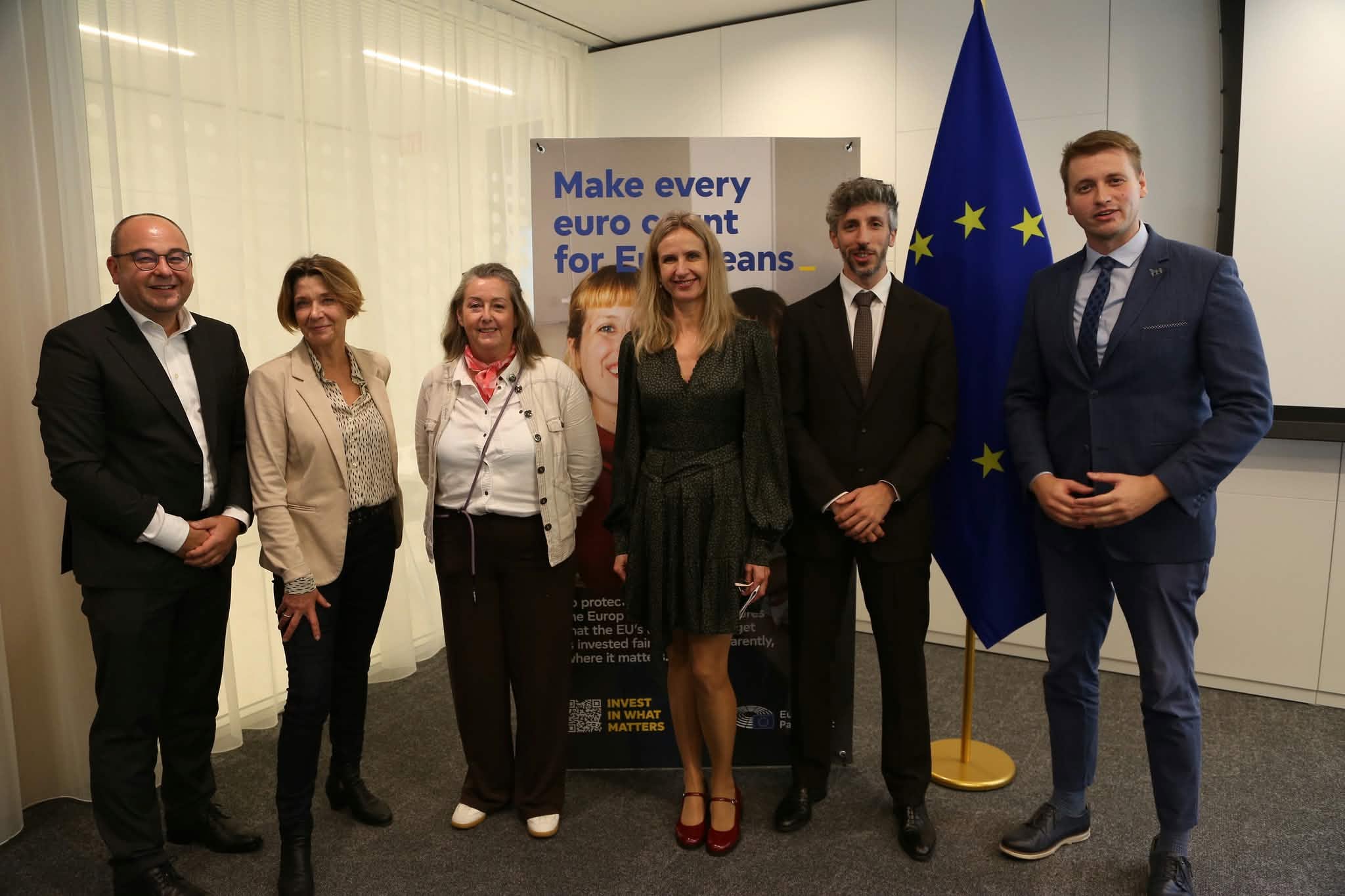
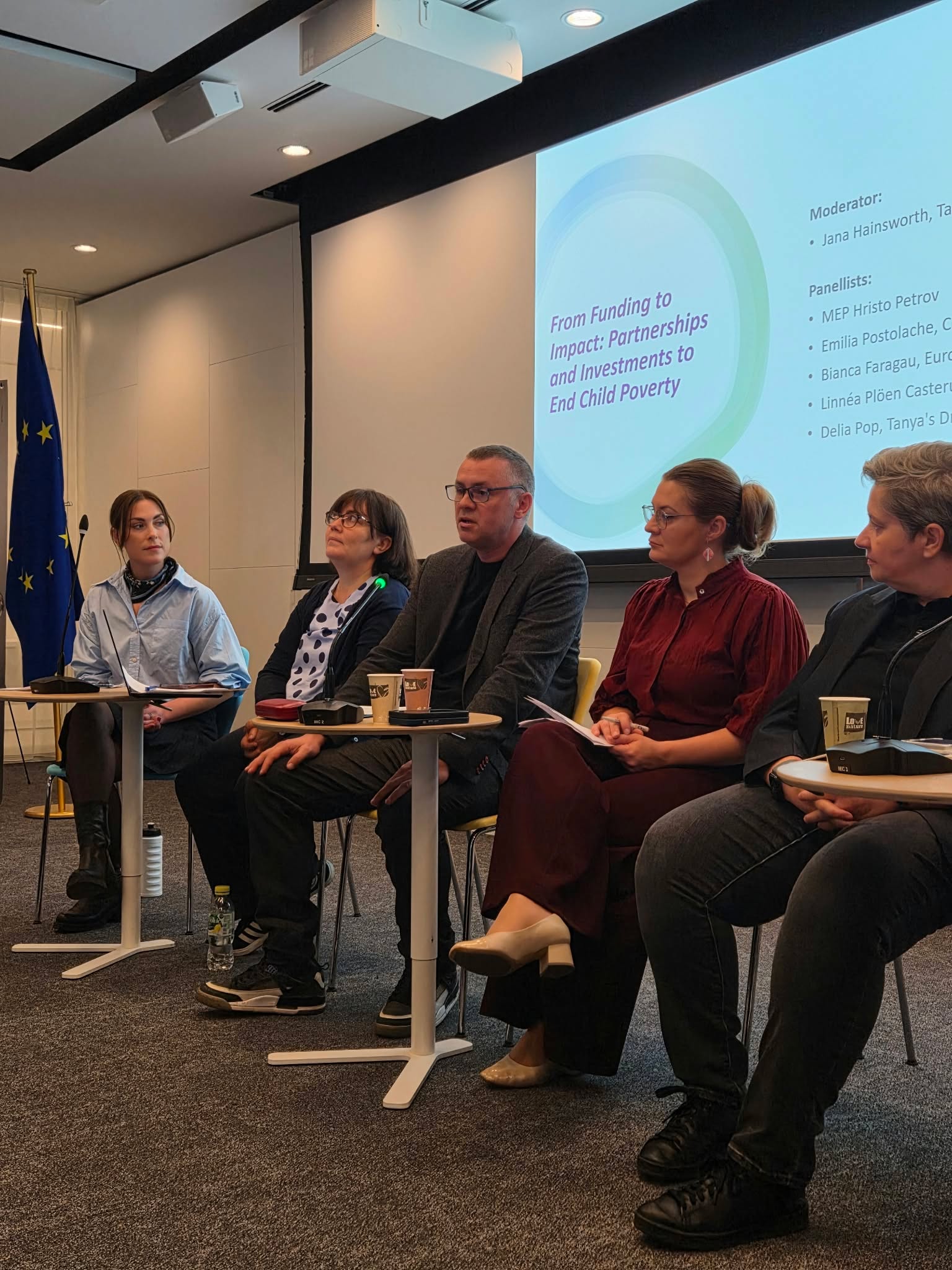
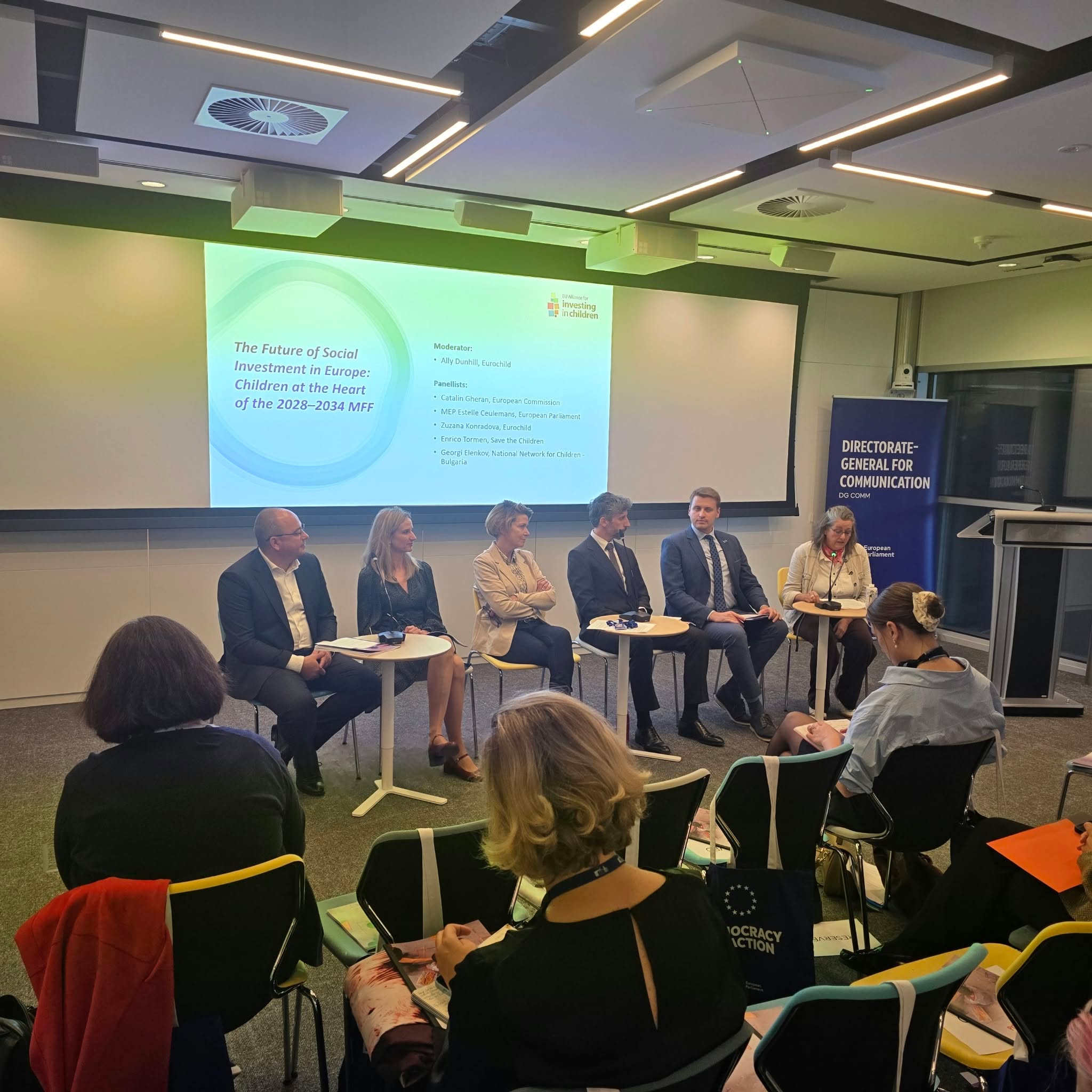
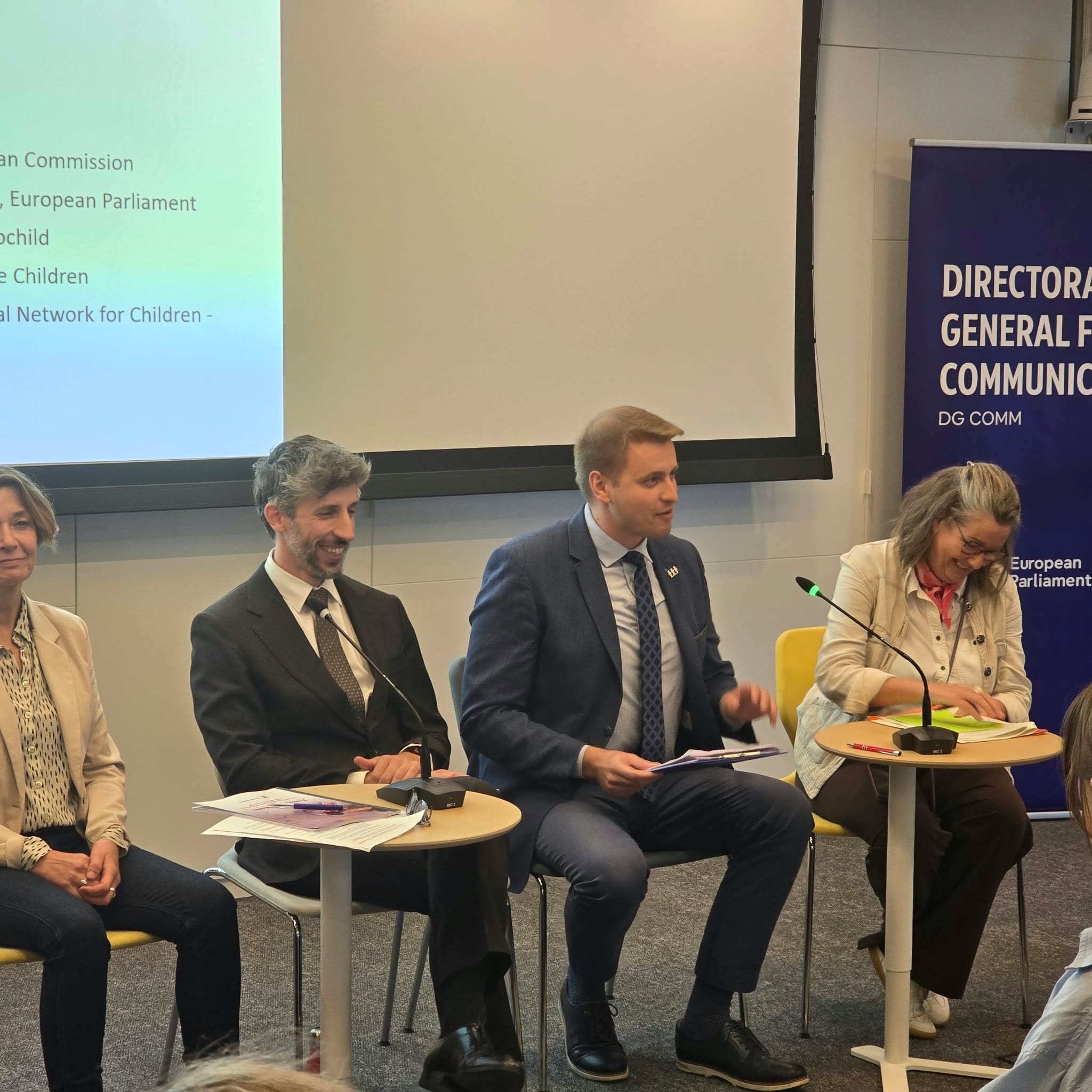
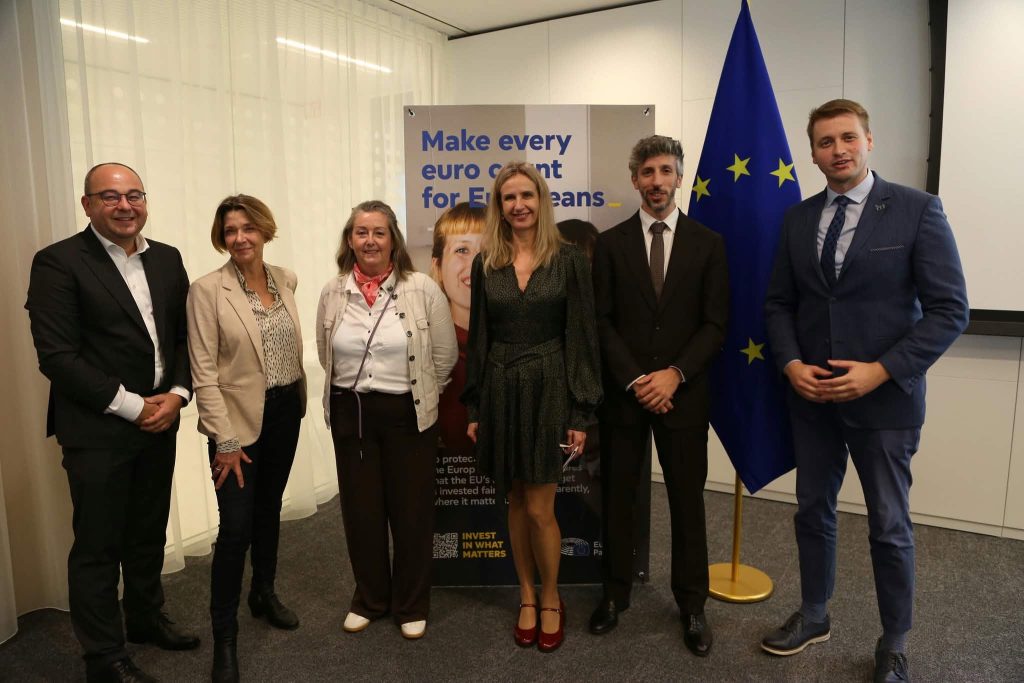
On 14 October 2026, the National Network for Children (NNC) took part in the international conference “The Future of Social Investment in Europe: Children at the Heart of the Multiannual Financial Framework 2028–2034”, held at the InfoHub in the European Parliament in Brussels. The event was co-organised by Eurochild, Tanya’s Dream Fund and the EU Alliance for Investing in Children.
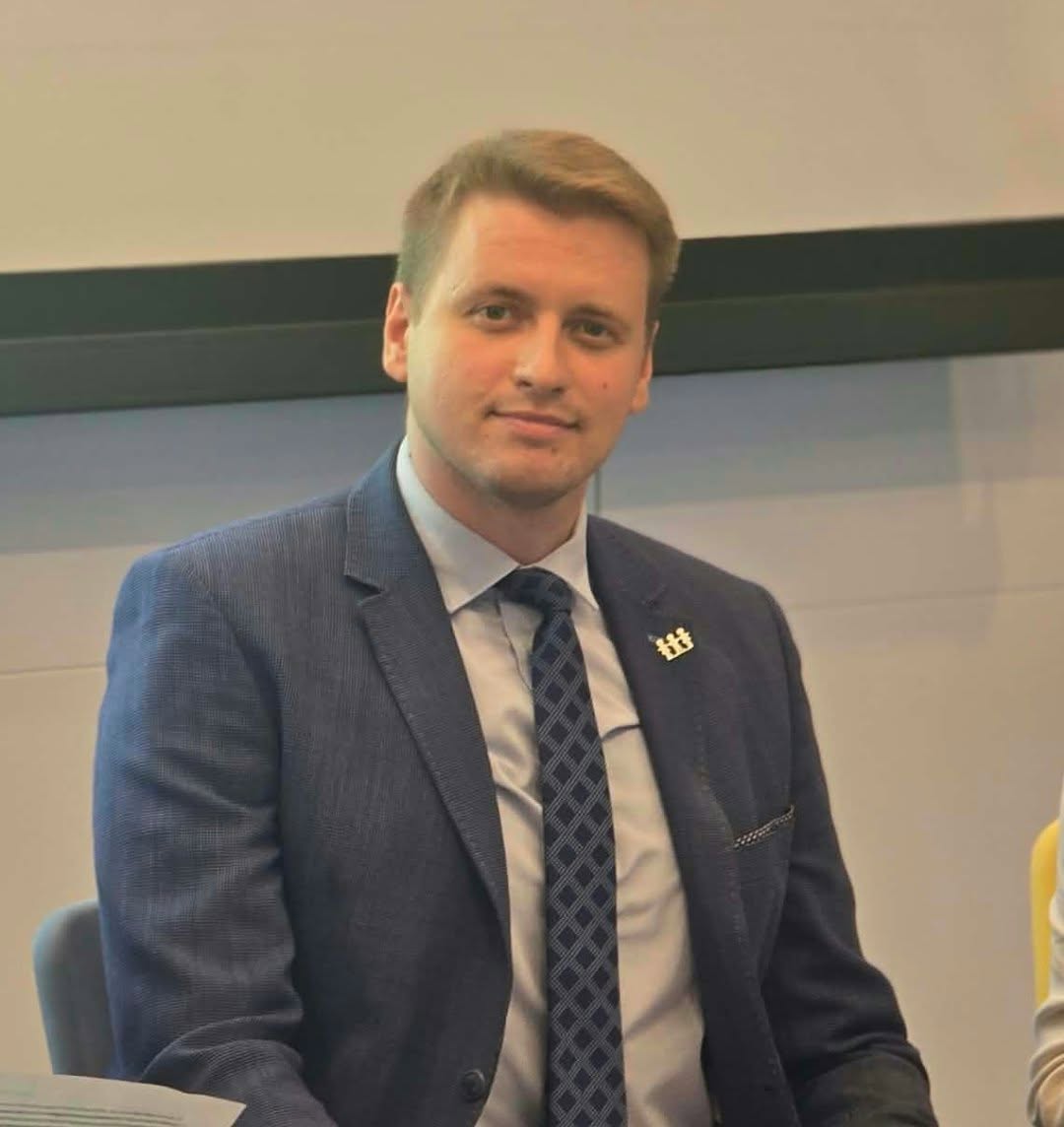
NNC was represented by Georgi Elenkov, Director of Child Policy, who joined a panel discussion on the future of social investment in the EU alongside MEP Estelle Ceulemans; Katalin Geran from the Cabinet of Roxana Mînzatu, Executive Vice-President of the European Commission; Zuzana Konradova from Eurochild; and Enrico Tormen from Save the Children. The discussion was moderated by Ali Dunhill, Director of Policy, Advocacy and Communications at Eurochild.
Guaranteed funding for children in the next EU budget (2028–2034)
A key element of NNC’s position was the need to retain binding earmarked funding to combat child poverty in the EU’s next long-term budget.
Currently, Member States with historically higher-than-average child poverty rates must allocate at least 5% of the relevant resources under the European Social Fund Plus (ESF+) to tackling child poverty. However, the European Commission’s proposed new budget architecture, based on National and Regional Partnership Plans, does not retain this separate, legally binding minimum.
NNC supported the European Parliament’s position calling for a minimum allocation of 5% in every Member State and 10% in countries where child poverty is above the EU average, as well as €20 billion in earmarked funding for the European Child Guarantee.
According to NNC, greater flexibility in EU funding can support integrated policies across education, healthcare, housing and social support. However, it must not lead to competition in which investment in children is sidelined in favour of large-scale infrastructure and economic priorities.
Budget cuts also threaten civil society
NNC expressed concern over the proposals in the updated negotiating box presented by the Irish Presidency of the Council of the EU just days before the forum. The proposals envisage an overall reduction of around 8% in the proposed budget, including a cut of approximately 30% to AgoraEU, the programme supporting democracy, fundamental rights, civil society, culture and independent media.
NNC stressed that European institutions cannot expect greater participation and independent scrutiny from civil society organisations while simultaneously restricting the resources they need to remain sustainable.
The European Child Guarantee: from institutional progress to tangible results
NNC presented Bulgaria’s experience in implementing the European Child Guarantee, highlighting both progress and ongoing challenges. Despite prolonged political instability, Bulgaria has maintained an active national coordination mechanism, adopted successive operational plans and developed its framework for monitoring implementation of the Guarantee.
However, institutional progress has yet to bring about a substantial reduction in child poverty. In 2025, 33.1% of children in Bulgaria were at risk of poverty or social exclusion — almost unchanged from 33% in 2021. This demonstrates the considerable gap that remains between establishing an institutional framework and achieving tangible results.
NNC therefore called for an independent national monitoring mechanism for the Guarantee, involving civil society organisations, experts and families with first-hand experience of poverty and social exclusion. Monitoring should assess not only completed activities and funds spent, but also the quality of support, the actual access of the most vulnerable children to services, and the changes in their lives.
It is particularly important for national reports to distinguish between universal policies and measures introduced or expanded as part of the implementation of the Guarantee, and to assess whether support is reaching children in the most disadvantaged circumstances.
More accessible EU funding for civil society organisations
In its contribution, NNC also highlighted the disproportionate administrative and financial barriers facing civil society organisations, including the application of state aid rules and the de minimis regime without sufficiently precise assessments of the activities being funded.
Problems arise when free services provided for the public benefit — such as outreach work with vulnerable families, support for access to education and healthcare, or services for children with disabilities — are treated as economic activities without the necessary individual assessment. This can prevent organisations from accessing funding.
NNC also called for genuinely accessible advance payments of at least 20%, without disproportionate requirements for bank guarantees and other forms of security that often exclude small local organisations from EU funding. The Network also advocated for the meaningful and mandatory involvement of civil society organisations in the development, implementation and monitoring of future National and Regional Partnership Plans.
In conclusion, NNC emphasised that the investment needed for European defence must not come at the expense of social investment. Europe’s long-term security depends not only on its defence capabilities, but also on social cohesion, equal opportunities and the resilience of democratic societies.
The next EU budget must guarantee targeted investment in children, meaningful civil society participation and the highest possible level of accountability for results achieved on the ground.